Tavern
Put the evening in one basket.
Cold beer, crisp snacks and an order ready for pickup without the fuss.
View shopAdd beer and snacks to your basket.
Enter your phone number and choose how to receive it.
We’ll pack your selection and get in touch.
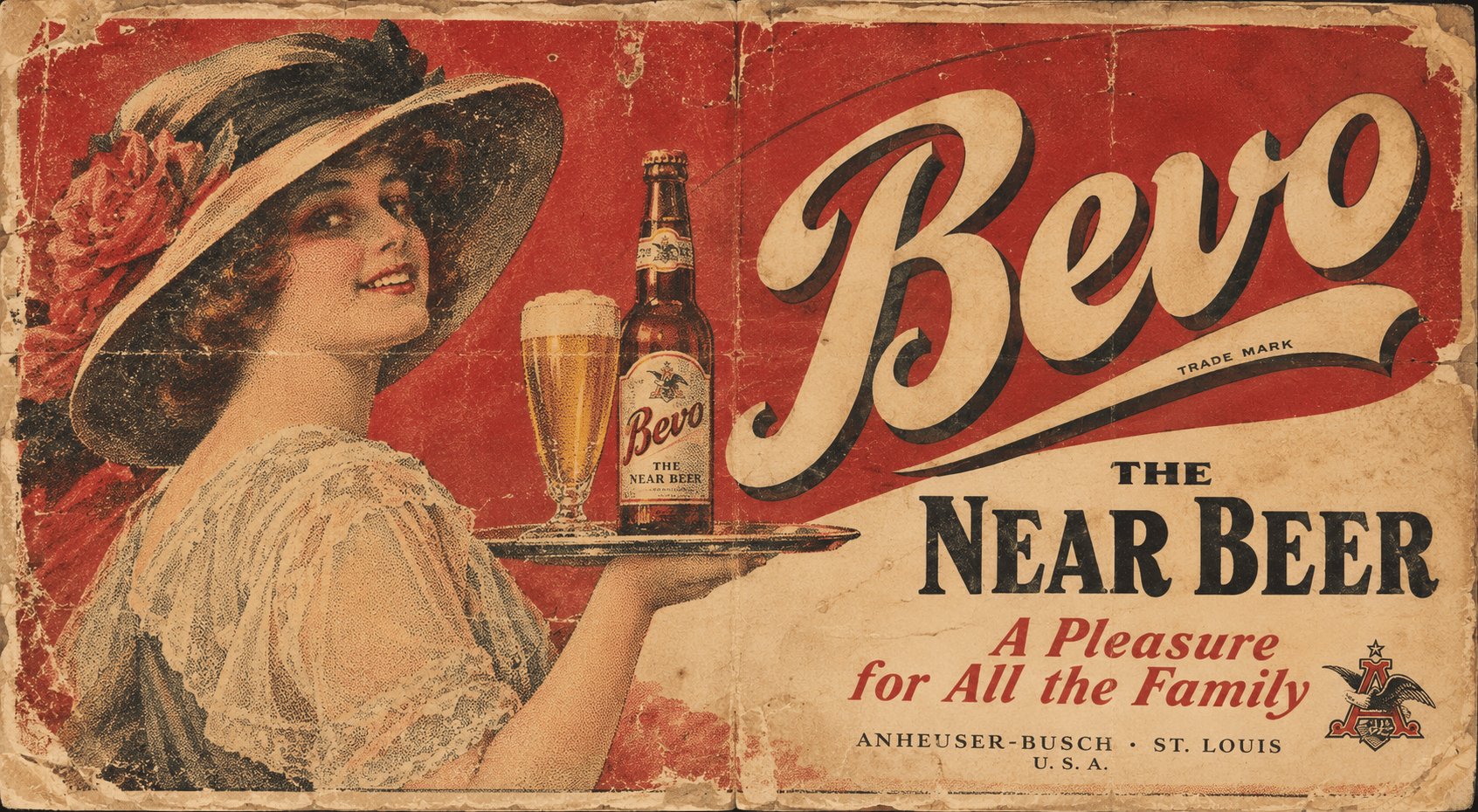
Alcohol-free beer looks like a recent invention, but it is more than a hundred years old. Here's how it was made during American Prohibition, why the first attempts didn't quite work, what German brewers came up with in 1979, and how alcohol is taken out of beer today.
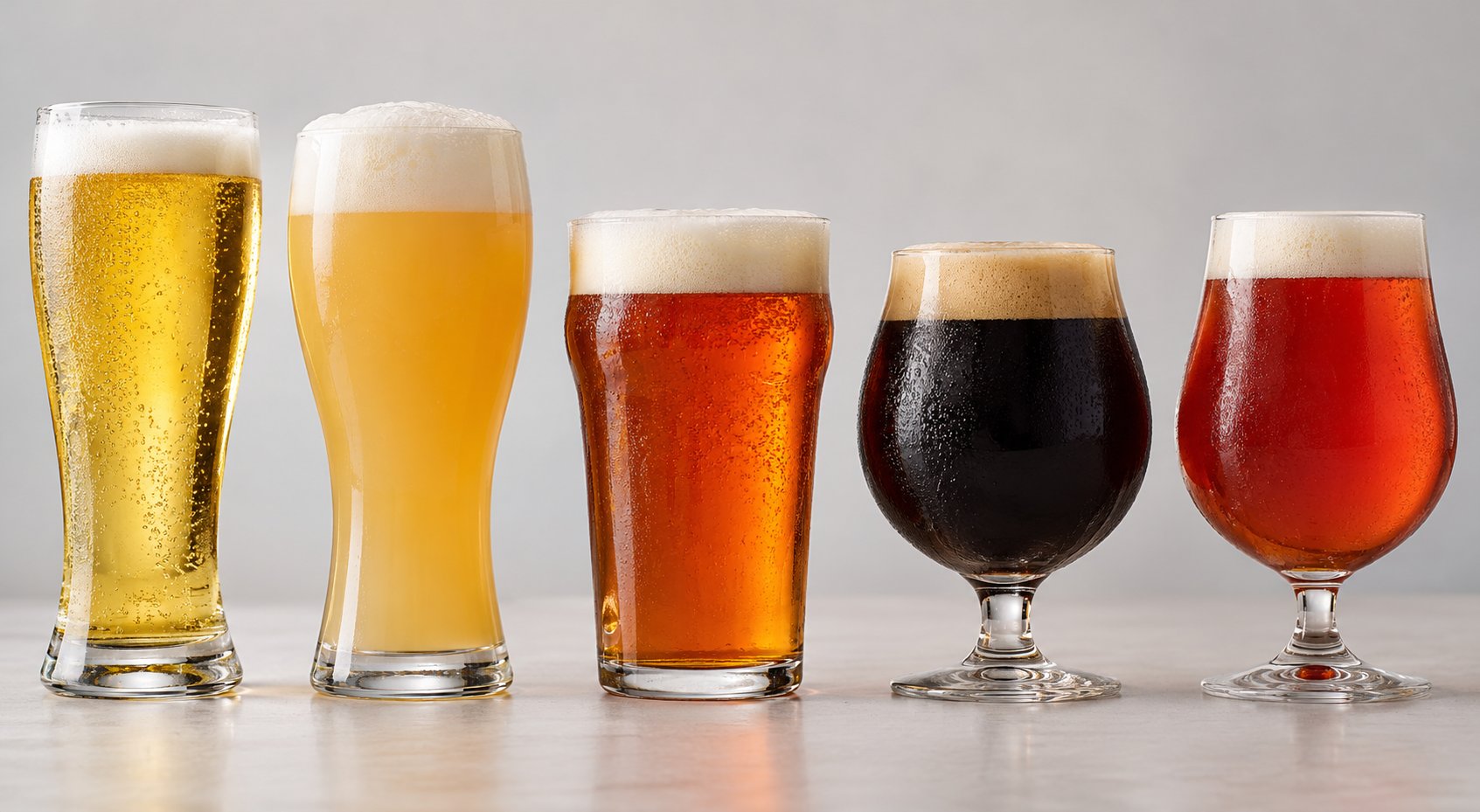
Shop signs say “live beer”, labels say “unfiltered” and “unpasteurised”. Here's what each word really means, what Louis Pasteur has to do with beer, how Germans and the English look after beer with living yeast, and why fresh beer has such a short shelf life. Beer shop signs often promise “live beer”. It sounds as if all other beer passed away long ago. In fact, the word covers two different things: filtering and pasteurisation. People mix them up all the time, even though they came from different people and different centuries.
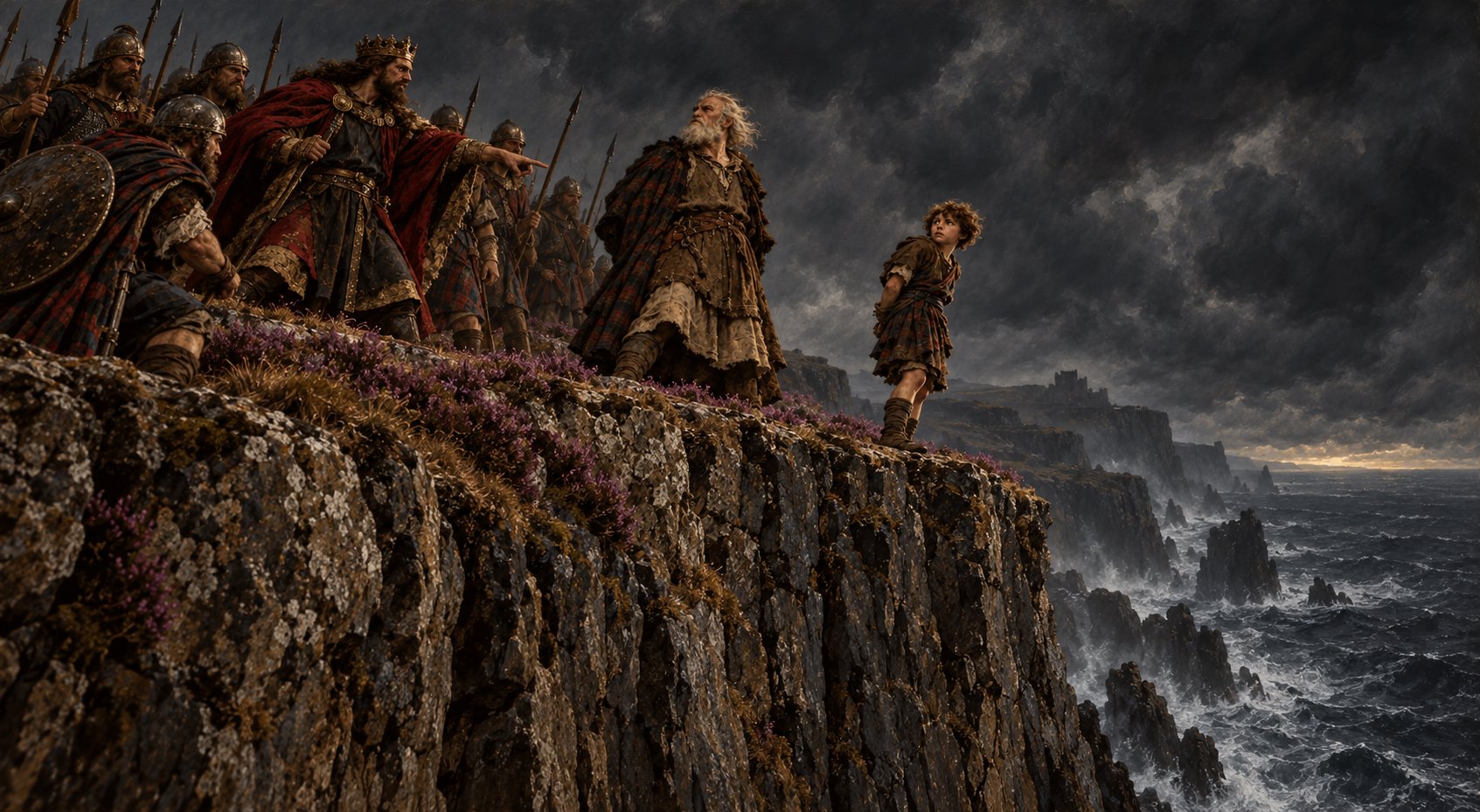
Remember the ballad of the Picts who took the secret of heather ale to their graves? Here's what's true in it — and what's brewed from heather today. From the bonny bells of heather They brewed a drink long-syne, Was sweeter far than honey, Was stronger far than wine. Robert Louis Stevenson, the author of Treasure Island, wrote Heather Ale: A Galloway Legend in 1890. It tells of the last of the Picts: a Scottish king conquered their land and demanded the recipe for their wondrous drink. The old chief chose death and never gave the secret away. The ballad travelled far. In Samuil Marshak's famous Russian translation the drink even became "heather honey", though Stevenson wrote about ale.
Bubbles rise. Worries take a break.