Alcohol-free beer looks like a recent invention, but it is more than a hundred years old. Here's how it was made during American Prohibition, why the first attempts didn't quite work, what German brewers came up with in 1979, and how alcohol is taken out of beer today.
Alcohol-free beer is usually seen as something new: it has only recently appeared in bars, and the shelves with it keep growing. In fact it is more than a hundred years old. And for almost all of that time, brewers have been trying to make it taste like beer. It took a while.
Light beer was always around
Beer with no alcohol at all wasn't brewed in the old days, but light beer was perfectly ordinary. Medieval Europe drank so-called small beer. It was made by pouring water over the malt a second time, it was very weak, and people drank it every day, the way we drink tea now. Nobody called it alcohol-free. It was simply everyday beer.
Prohibition and “near beer”
The real history of alcohol-free beer starts in the United States. Prohibition came in 1920. The Volstead Act treated any drink stronger than 0.5% as intoxicating, and breweries faced a choice: close down or make something else.
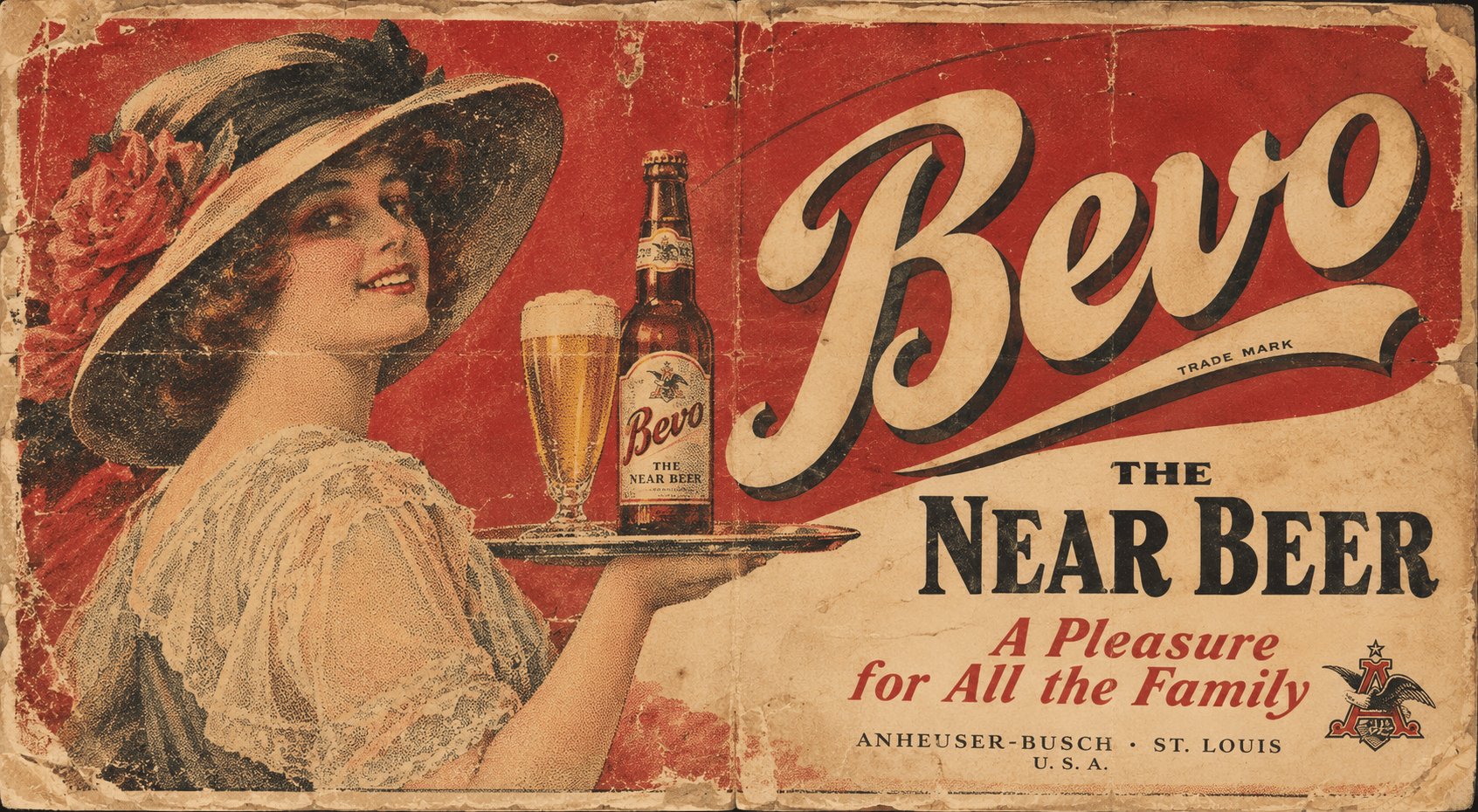
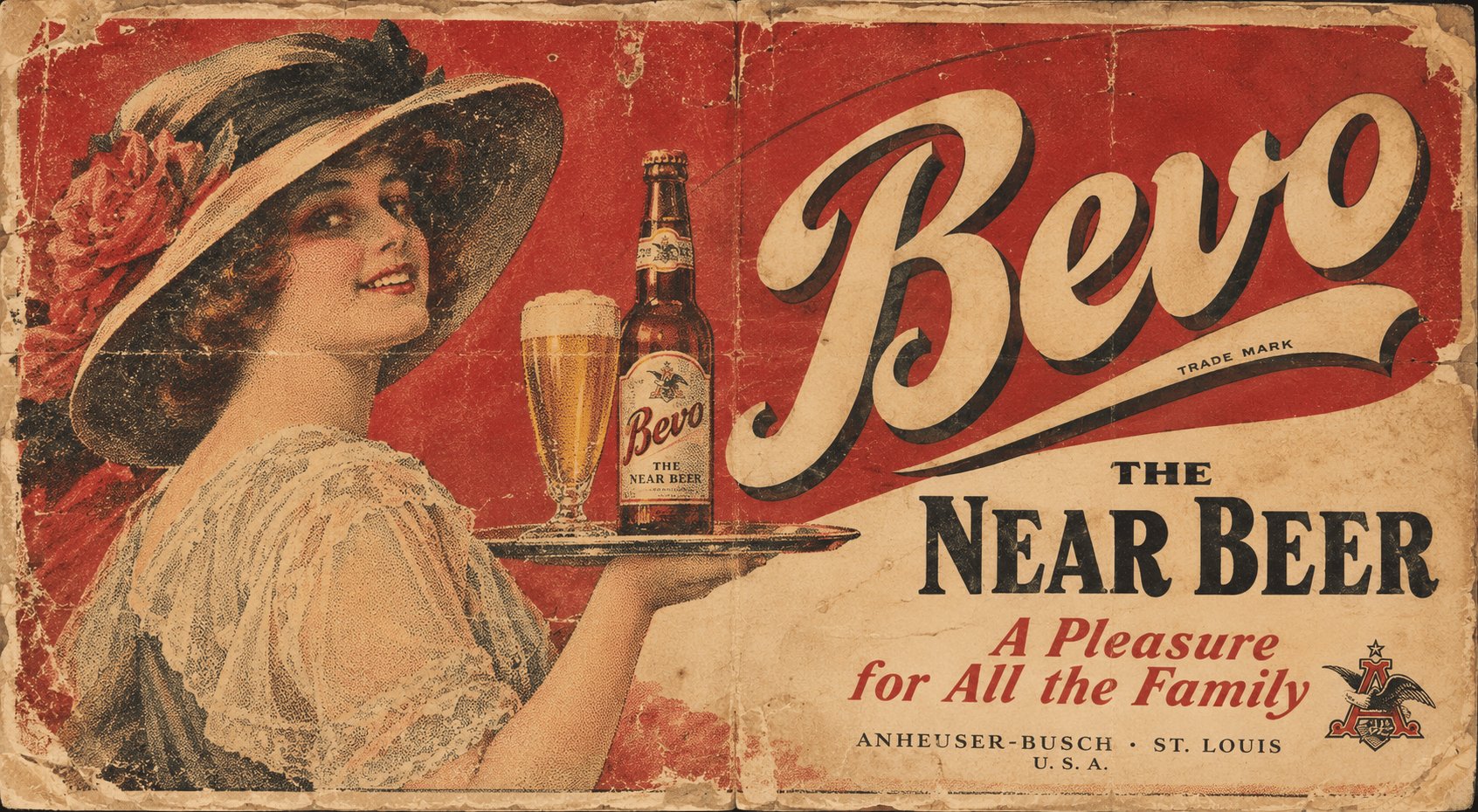
Many chose the second. Back in 1916 Anheuser-Busch had launched Bevo, a “cereal beverage” for the states where alcohol was already banned. Competitors answered with brands of their own: Pabst made Pablo, Miller made Vivo, Schlitz made Famo. All of it was called near beer.
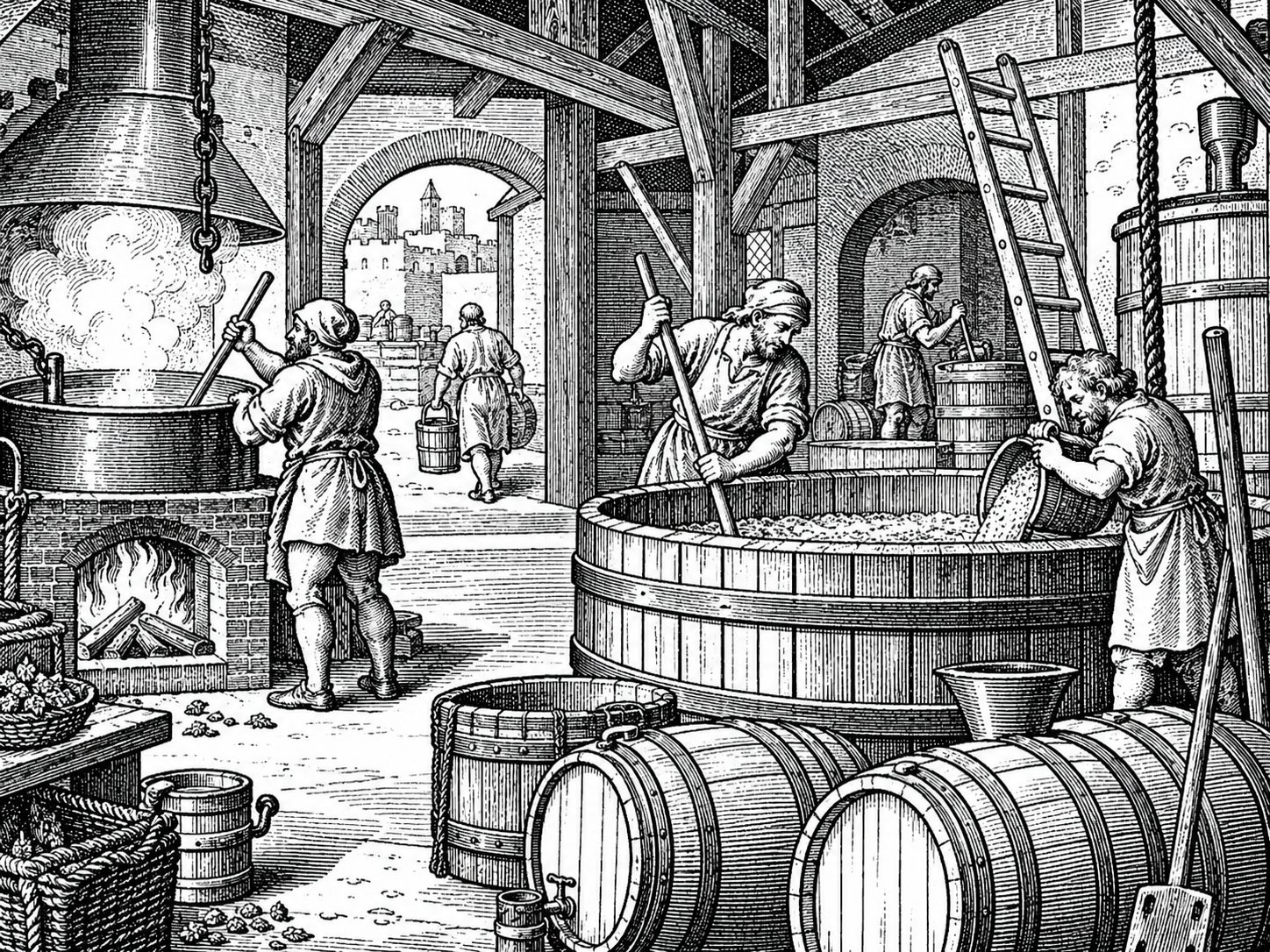
The method was simple: brew ordinary beer, then heat it so the alcohol boiled off. The flavour left along with the alcohol. People joked at the time that whoever named it near beer was a poor judge of distance.
For a while Bevo sold by the millions of bottles, but by the late 1920s interest had faded. Prohibition was repealed in 1933, and near beer disappeared almost at once.
The German answer
The next serious attempt came half a century later, in another country. In 1979 the Binding brewery in Frankfurt launched Clausthaler. It wasn't ordinary beer with the alcohol boiled off afterwards. Fermentation was simply stopped early, before the yeast had time to produce much alcohol.
The taste came out closer to real beer, and Clausthaler is considered one of the first alcohol-free beers people drank because they wanted to, not because they had to. Germany caught on quickly: today hundreds of alcohol-free brands are sold there, and almost every major brewery has one.
How it's done now
Today brewers rely on three main methods.
The first is limited fermentation, as with Clausthaler. Fermentation is stopped early, or special yeasts are used that produce almost no alcohol.
The second is vacuum distillation. The beer is heated, but under vacuum, where alcohol boils at around 30 °C. The flavour barely suffers, unlike in the days of Bevo.
The third is reverse osmosis. The beer passes through a fine membrane that separates the alcohol and water from everything else, and then the water is added back.
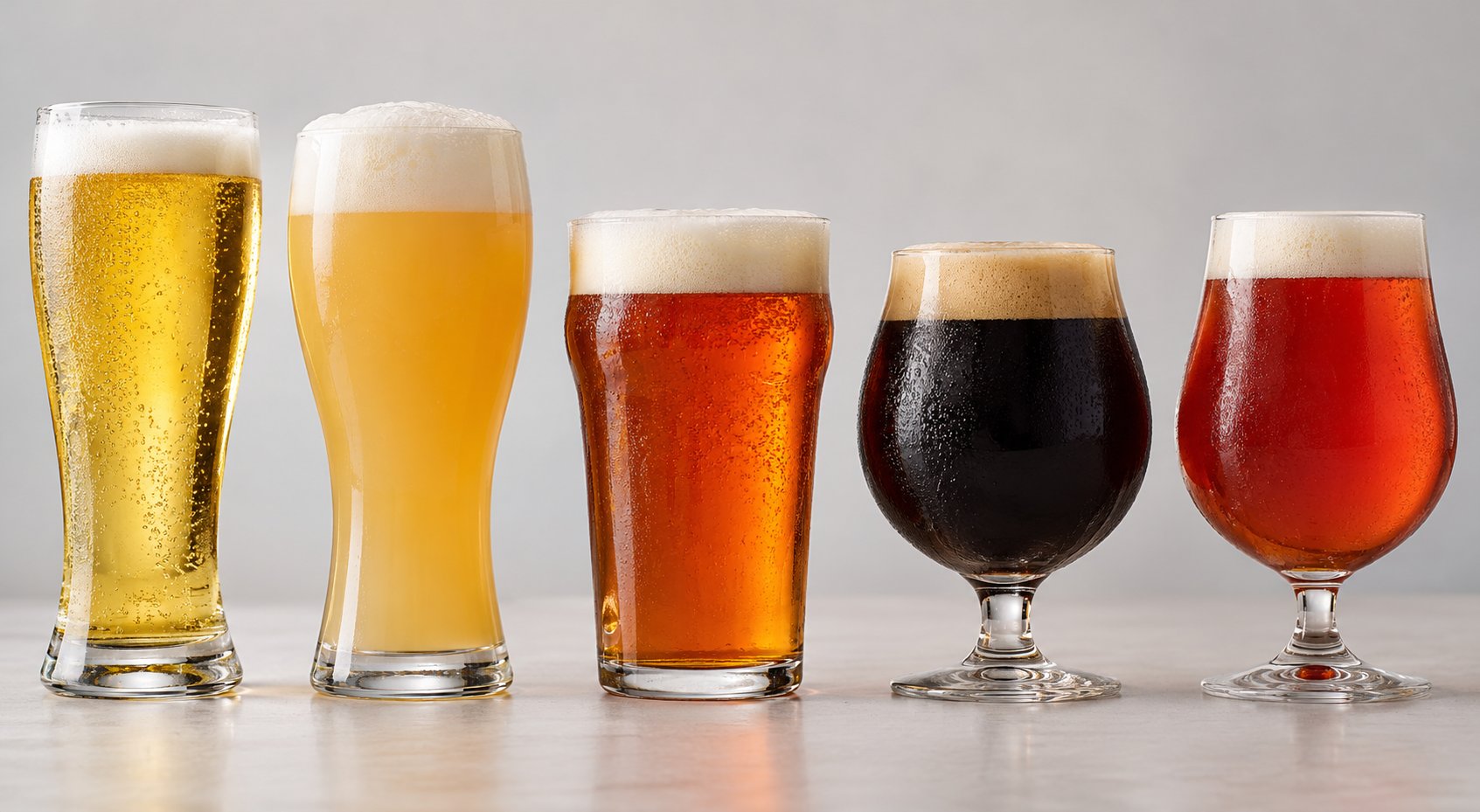
The methods are often combined, and the aroma is topped up with hops after the alcohol has been removed. That is why today's alcohol-free beer is so varied: from light lager to hoppy IPA and dark stout.
Zero or nearly zero
It's worth checking the number on the label. In many countries beer counts as alcohol-free if it contains no more than 0.5% alcohol. That's the same line as in the American law a hundred years ago. A 0.0% label means there is practically no alcohol at all, usually less than 0.05%.

Here at Tavern
Our catalogue has an alcohol-free beer section. Every product shows its strength, so you'll tell 0.5% from 0.0% at a glance. We don't stock Bevo, sadly: it was discontinued in 1929.
We sell alcohol to adults only. We'll ask for ID on pickup.