Remember the ballad of the Picts who took the secret of heather ale to their graves? Here's what's true in it — and what's brewed from heather today.
From the bonny bells of heather
They brewed a drink long-syne,
Was sweeter far than honey,
Was stronger far than wine.
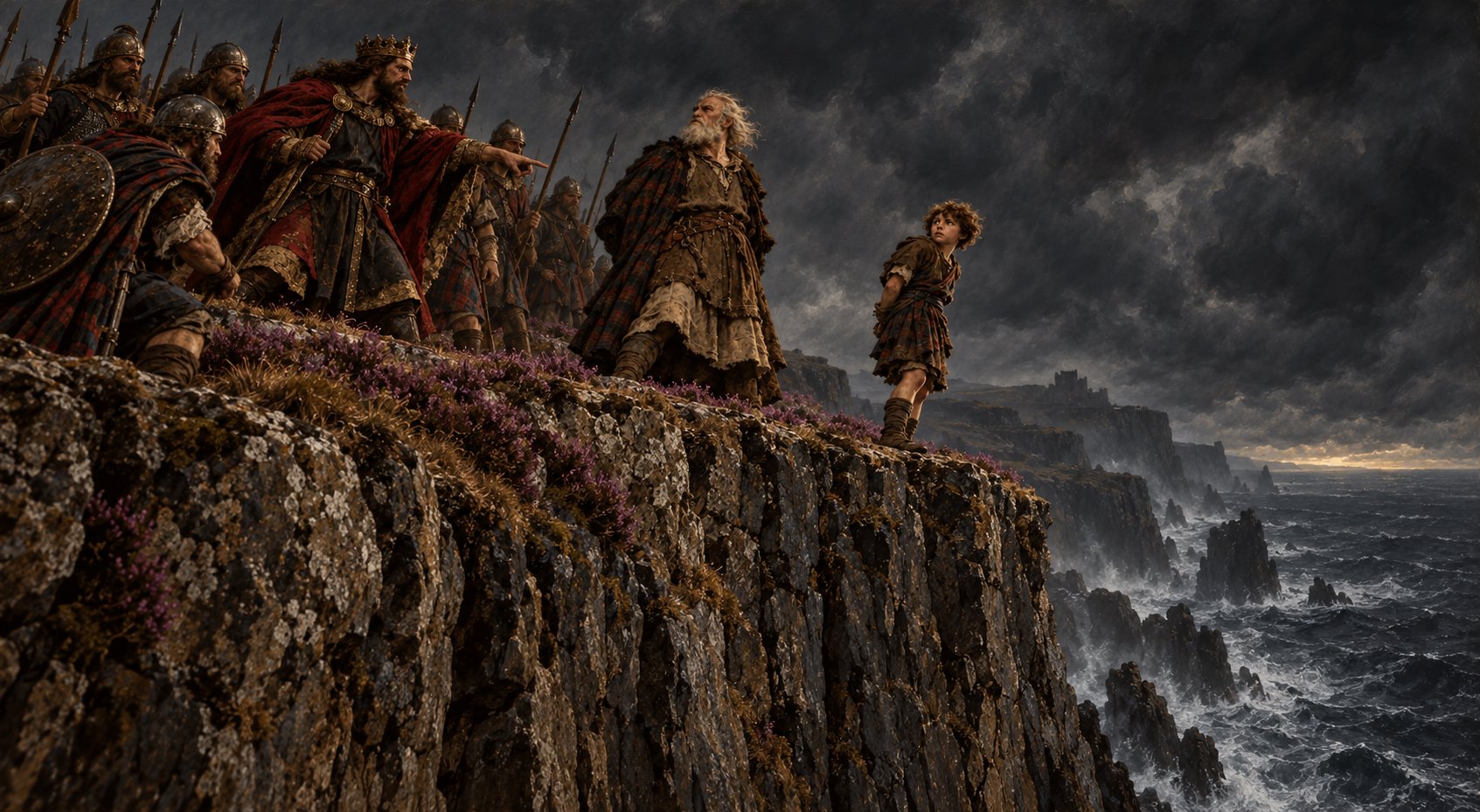
Robert Louis Stevenson, the author of Treasure Island, wrote Heather Ale: A Galloway Legend in 1890. It tells of the last of the Picts: a Scottish king conquered their land and demanded the recipe for their wondrous drink. The old chief chose death and never gave the secret away.
The ballad travelled far. In Samuil Marshak's famous Russian translation the drink even became "heather honey", though Stevenson wrote about ale.
What's true
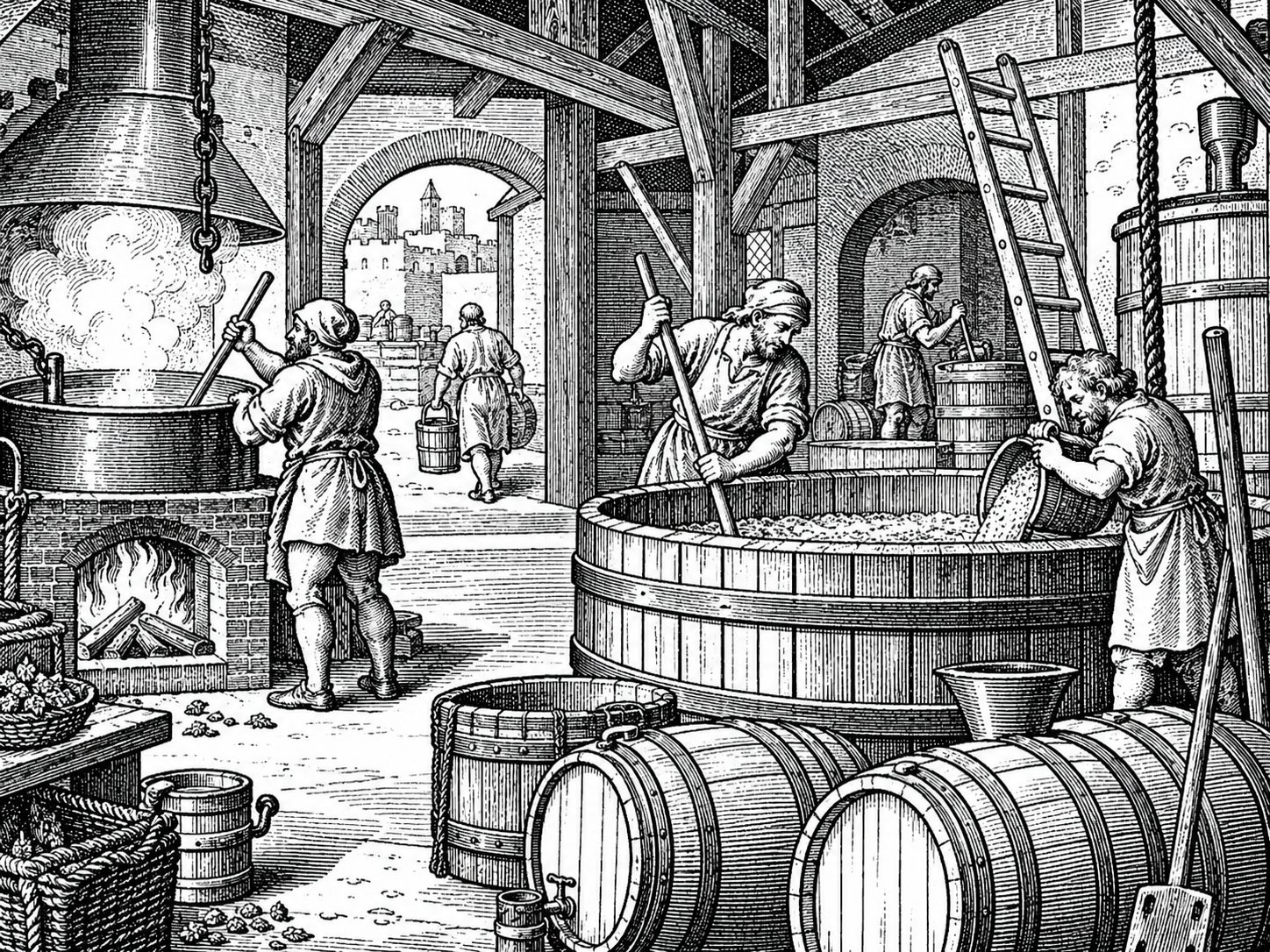
Scotland really did brew with heather for centuries. Its flowers were added to beer for aroma, and heather honey went into sweet fermented drinks. This was a land that knew its herbs: before hops, beer was flavoured with gruit, a mix of plants, and bog myrtle was one of the key ones.
What's legend
The heroic tale of a people taking the recipe to the grave is a beautiful invention. Historians have never found a Pictish "secret recipe", and it most likely never existed as a single secret. There were local traditions, herbs and know-how passed down the generations.
Heather ale today
The recipe didn't vanish — it was revived. The Scottish brewery Williams Bros. Brewing Co. makes Fraoch Heather Ale at 5% (fraoch is Gaelic for heather). Inside: barley and wheat malt, heather flowers, bog myrtle, hops, ginger and yeast. It isn't the ancient Pictish recipe, but it's a reconstruction very close to the tradition.
Ale is more than legends
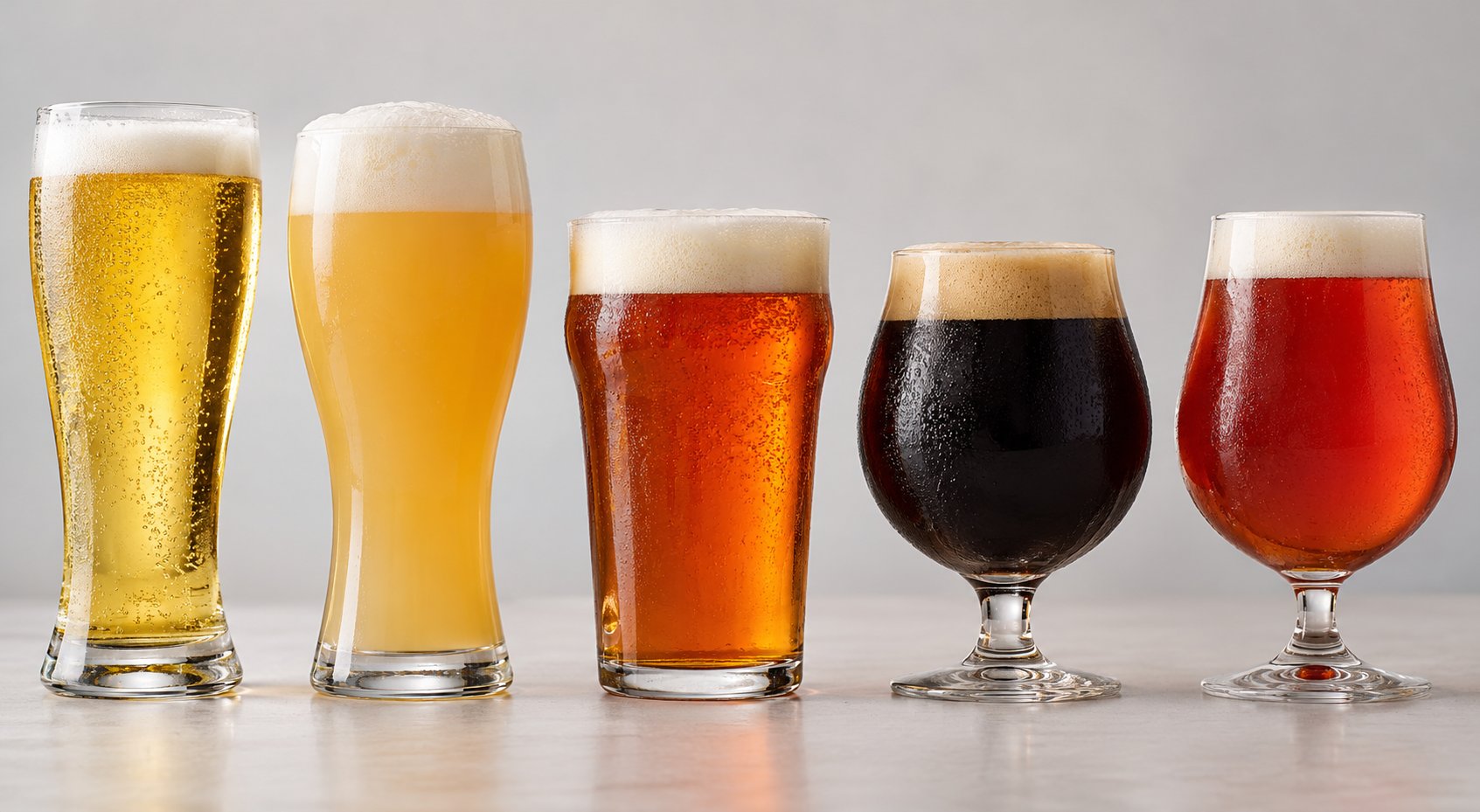
Ale is one of the oldest families of beer: top-fermented, full-flavoured, with fruity and spicy notes. If the ballad has made you curious, have a look at our ales — from soft and caramel to bright and hoppy.
We sell alcohol only to adults. We'll ask for ID on pickup.