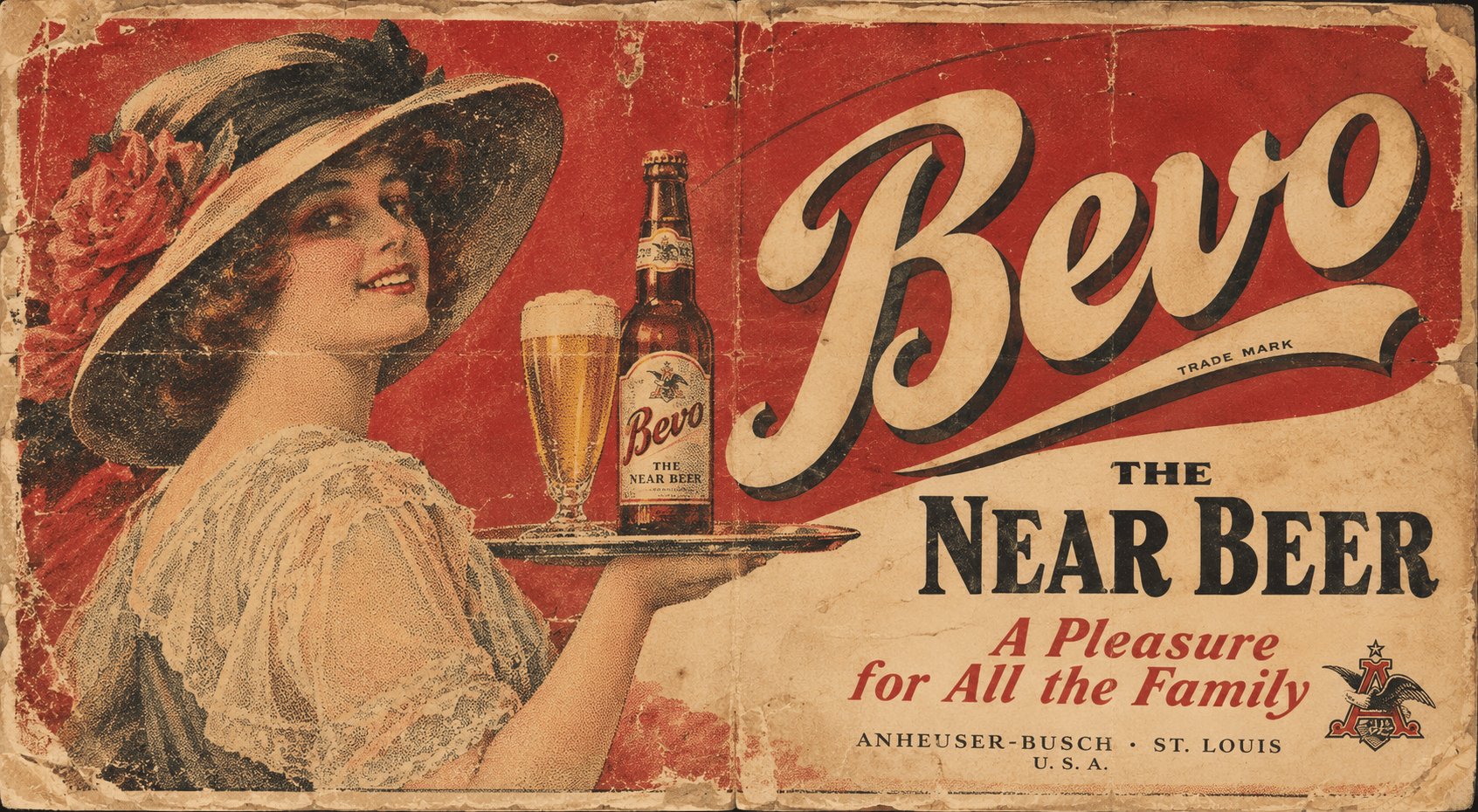
Alcohol-free beer looks like a recent invention, but it is more than a hundred years old. Here's how it was made during American Prohibition, why the first attempts didn't quite work, what German brewers came up with in 1979, and how alcohol is taken out of beer today.
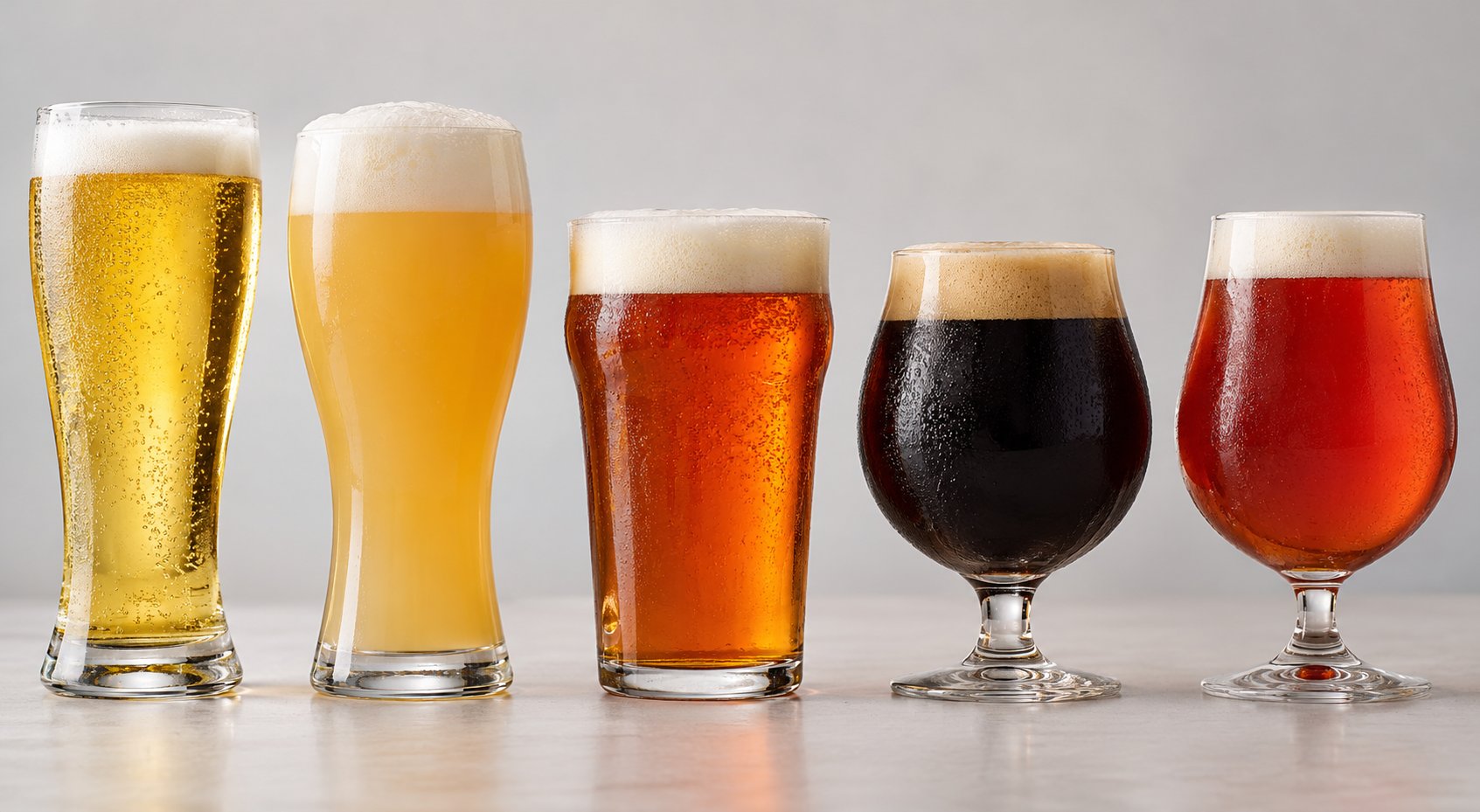
Shop signs say “live beer”, labels say “unfiltered” and “unpasteurised”. Here's what each word really means, what Louis Pasteur has to do with beer, how Germans and the English look after beer with living yeast, and why fresh beer has such a short shelf life.
Beer shop signs often promise “live beer”. It sounds as if all other beer passed away long ago. In fact, the word covers two different things: filtering and pasteurisation. People mix them up all the time, even though they came from different people and different centuries.
Remember the ballad of the Picts who took the secret of heather ale to their graves? Here's what's true in it — and what's brewed from heather today.
From the bonny bells of heather
They brewed a drink long-syne,
Was sweeter far than honey,
Was stronger far than wine.
Robert Louis Stevenson, the author of Treasure Island, wrote Heather Ale: A Galloway Legend in 1890. It tells of the last of the Picts: a Scottish king conquered their land and demanded the recipe for their wondrous drink. The old chief chose death and never gave the secret away.
The ballad travelled far. In Samuil Marshak's famous Russian translation the drink even became "heather honey", though Stevenson wrote about ale.
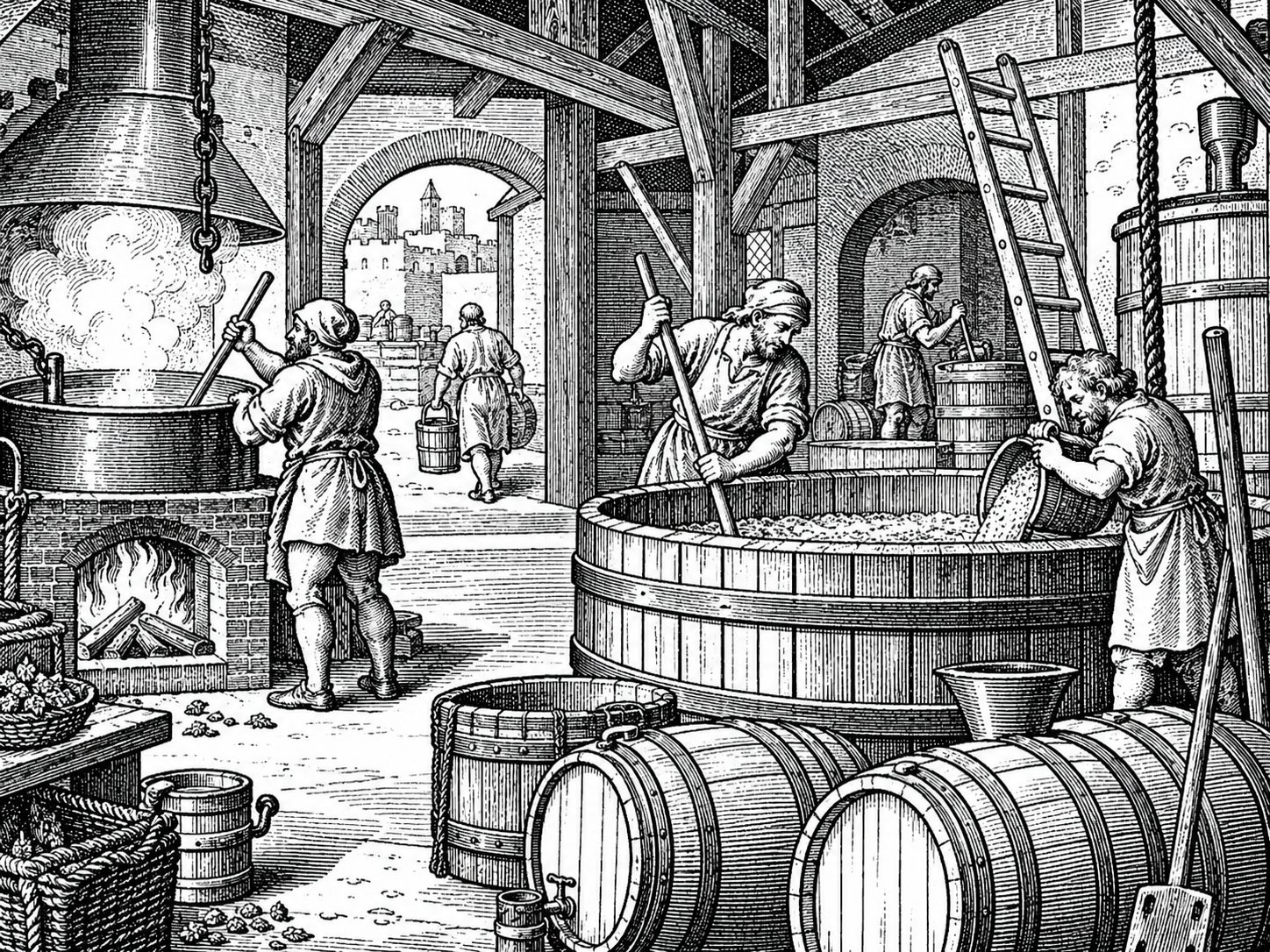
Why medieval monasteries had three breweries each, what flavoured beer before hops, and where the most famous beer law comes from.
They say the Middle Ages were dark. Perhaps. But beer was brewed with full seriousness — by the rules, with taxes and quality control. Sometimes stricter than today.
Cookies keep the website working and, with your consent, help us understand what you are interested in and improve Tavern.
If you choose “Accept all”, we will be able to:
see which pages and articles interest you and improve the website;
see where visitors come from and tell you about new arrivals where you spend time;
show you more relevant deals and offers.
You can accept all cookies or choose the ones you want in “Settings”. You can change your choice at any time with the “Cookie settings” link at the bottom of the site.
Cookie settings
Choose which cookies we may use. Necessary cookies keep the website working — they are always on and store no personal data.
NecessaryAlways active
Cart, site language, age confirmation, your cookie choice and form protection. The website does not work without them.